‘Se acabó’: A Community’s Last Days At The Hawthorne Race Course Backstretch
For decades they mucked stalls, galloped horses and raised families in the living quarters above the stables, a world most Cicero residents never saw. But following Hawthorne bankruptcy, its workers got only weeks to pack a lifetime and go.
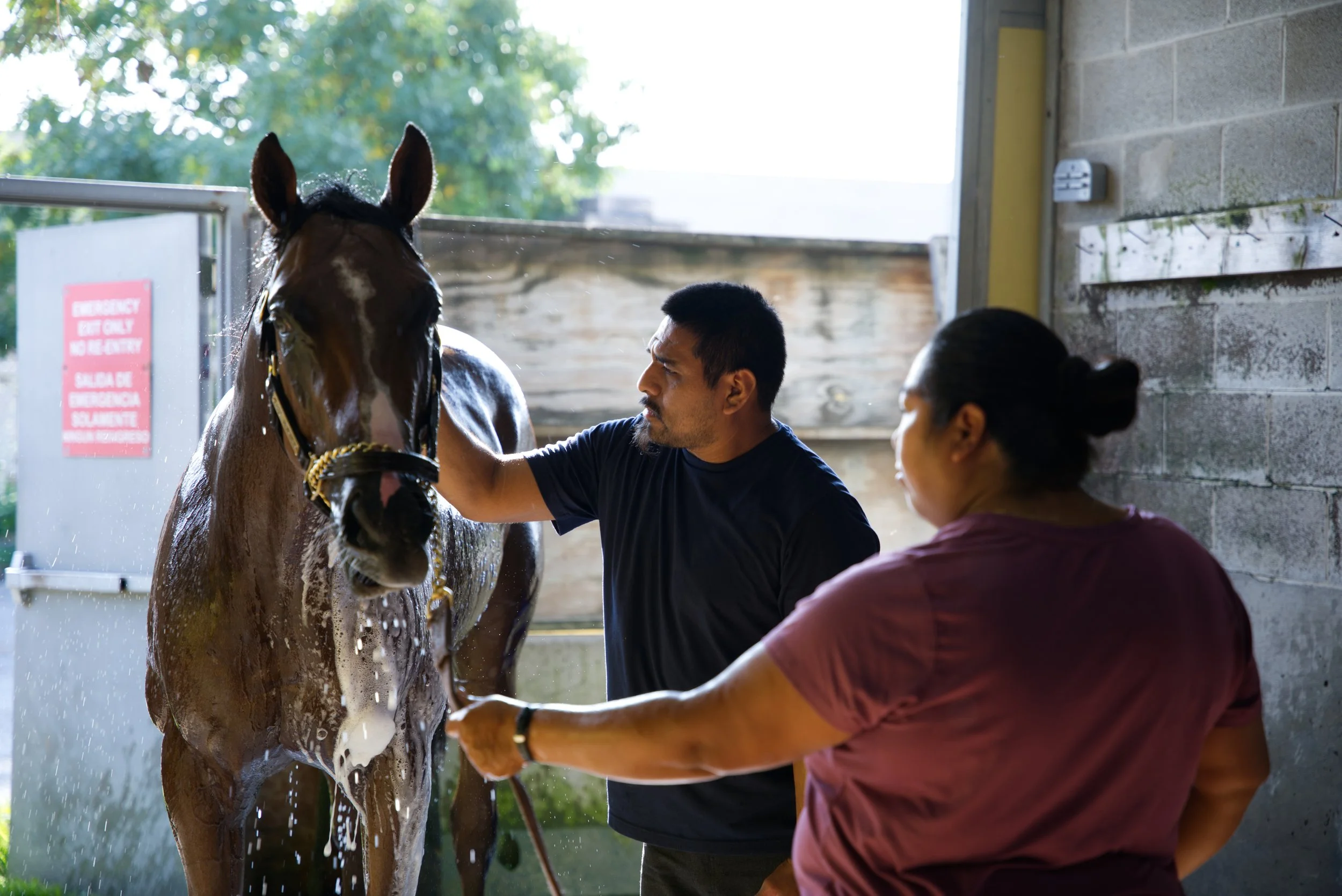
Sara and a coworker showering a horse in the last hours of the Hawthorne Race Course in Stickney, Ill, near Cicero on August 28, 2026. Sara worked at the Hawthorne race course for nearly 22 years as a hotwalker and it was the only job she ever had. Efrain Soriano/ Cicero Independinete
By Irene Rómulo
Editor’s Note: All the names of the residents and workers have been changed at their request.
If you worked at Hawthorne Race Course and were affected by its closure, you have until November 6 to apply for the $350,000 available through the Displaced Assistance Program.
On average, it took 1 minute and 36 seconds for a horse to finish a lap at Hawthorne Race Course. Those 96 seconds represented months of hard labor, workers who started as early as 4 a.m. each day and a community of people who lived or worked in the backstretch.
“You see a race in a few seconds, but there’s a lot of work behind that race, and in a moment it’s all over,” said Ricardo, 51, who lost his job with the racetrack closure in August.
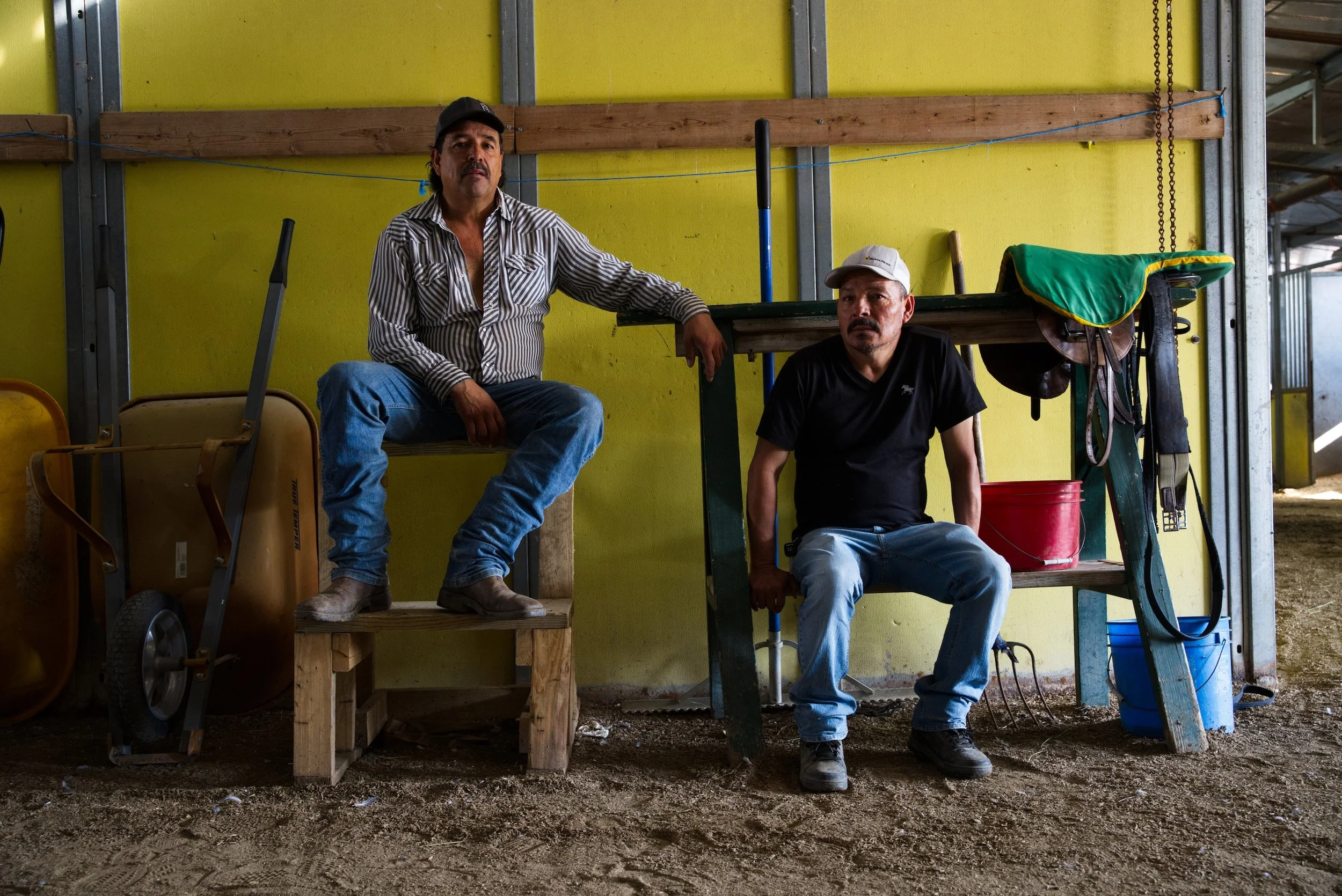
Ricardo (left) and Saul (right), take a break from preparing the last horses present at Hawthorne stables for transport in Stickney, Ill. on August 28, 2026. Saul, who worked strictly as a hotwalker after being injured by horse, called this sudden closure "una patada en el trasero" considering his decades-long commitment to the Hawthorne stables. Efrain Soriano/ Cicero Independinete
Ricardo is just one of the 500 individuals affected by the bankruptcy sale of Hawthorne Race Course. In just a matter of days, their lives were upended.
The sale came after years of mismanagement, the decline of the industry, and a financial crisis made worse when Hawthorne’s leaders failed to secure a financial investment for the race track’s racino.
Many Cicero residents never saw the community that lived at the racetrack.
That was partly by design. The backstretch was gated and getting in required security approval. Nonprofit workers who spoke with Cicero Independiente described struggling for years to get access for outreach, even when their services were needed most.
“They have left us on our own, because who will lend us a hand? Nobody. We have worked at the racecourse for so many years, and to leave like this is not easy,” said Arnoldo, another backstretch worker.
Over the summer, speculation over the bankruptcy sale of Hawthorne dominated local social media pages and news outlets. Attention to the sale intensified as more details emerged over the possible construction of a data center at the site.
Missing from some of the coverage were the hundreds of people who lived in the course’s backstretch.
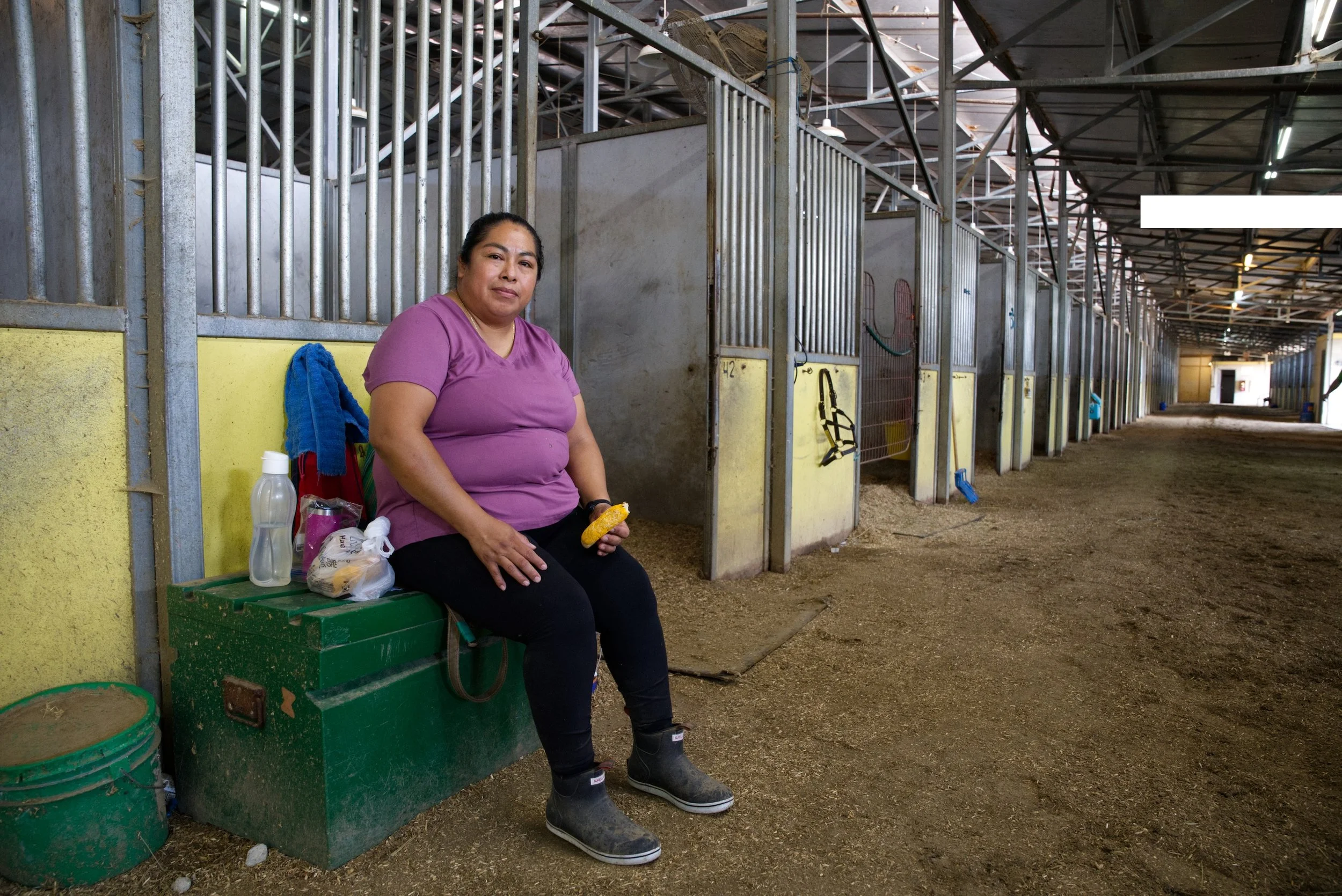
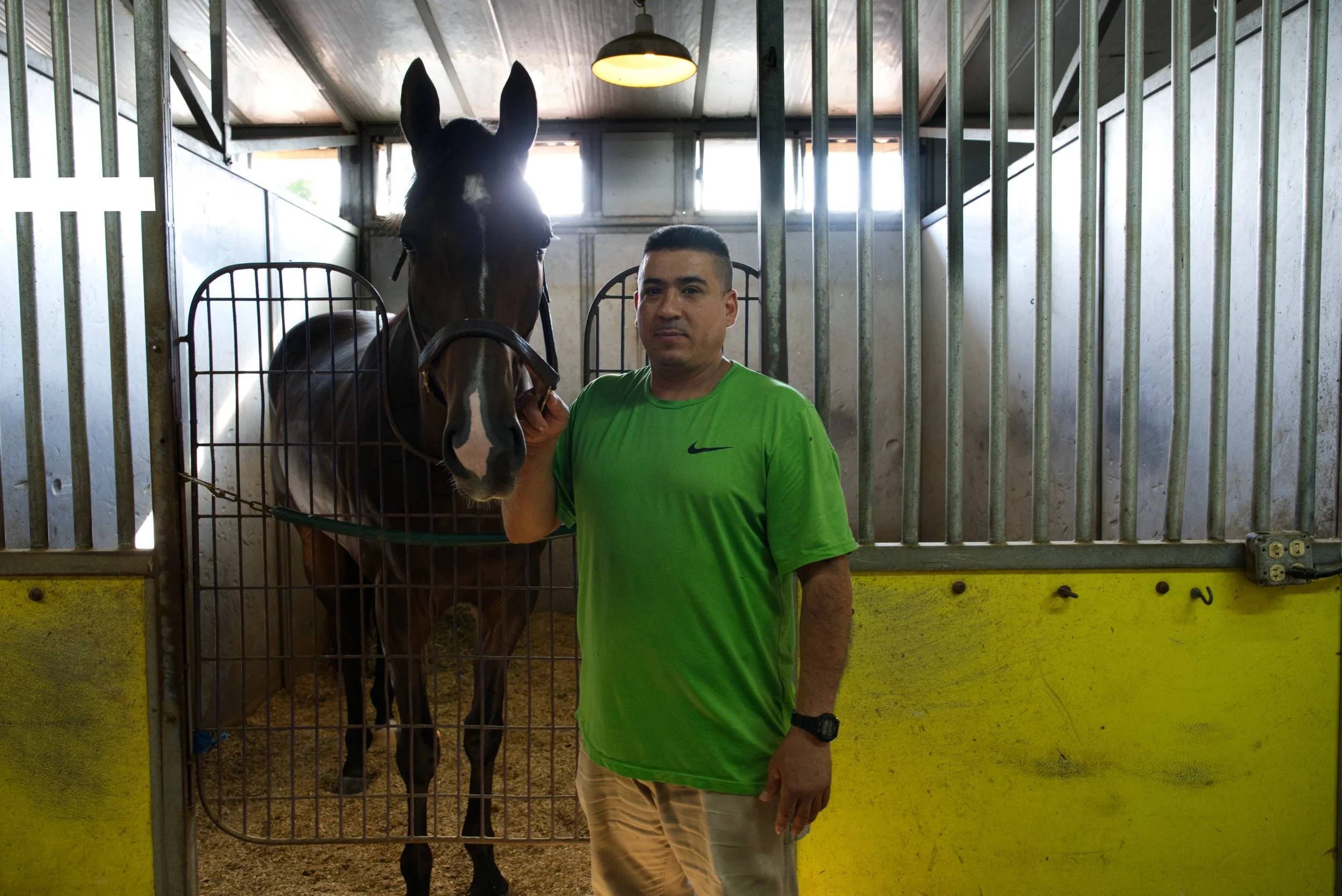
“We're sad, but we have to leave. I’ve been here for over 20 years,” said Leti, a resident of the backstretch who worked as a hot walker and as a janitor. She wiped the tears from her cheek and although her voice cracked she continued, “Even though the space is small, I was happy. I was doing well here. I’m going to miss everything: the work, the place we lived, and all the people; we were like family. But, well, it’s over.”
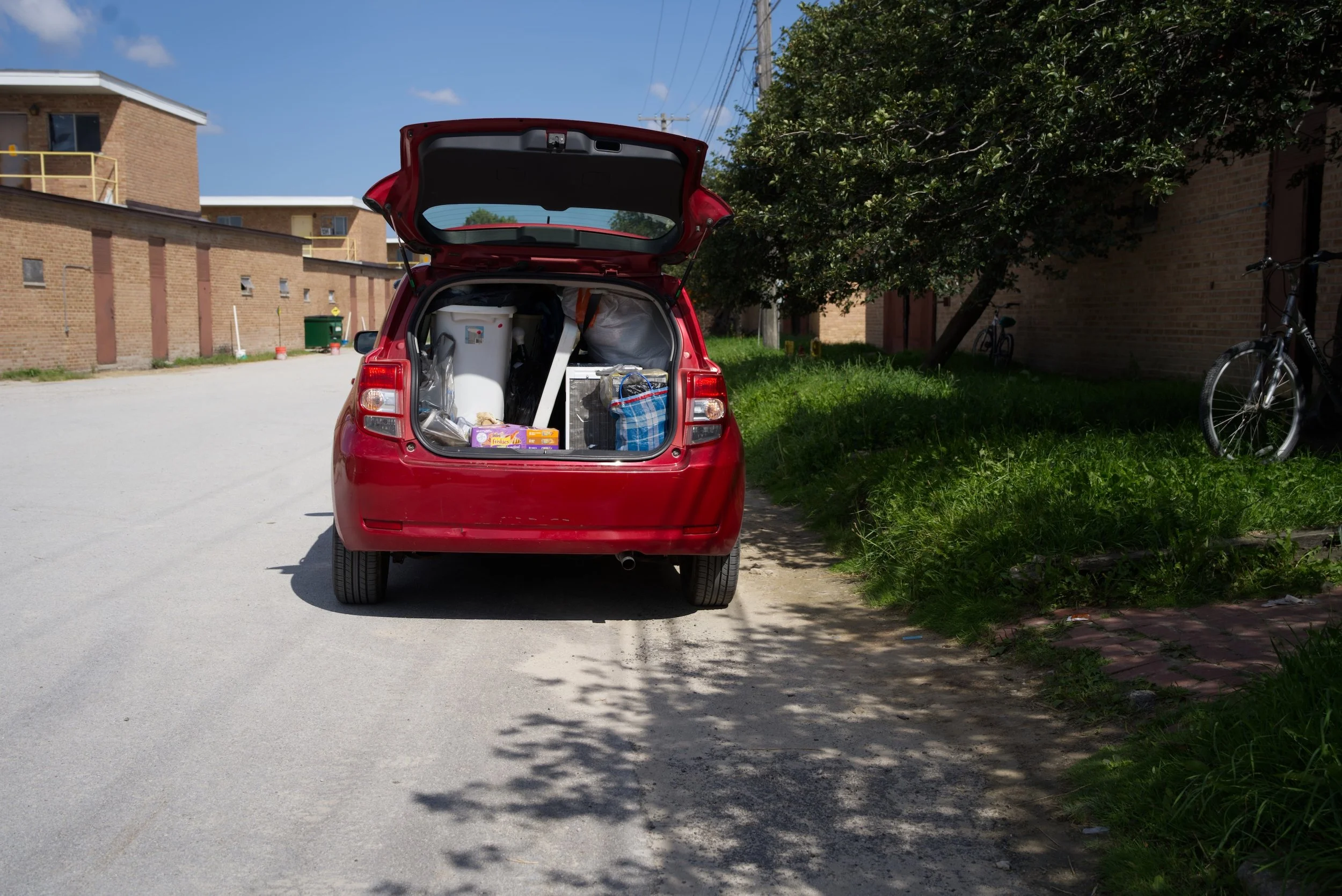
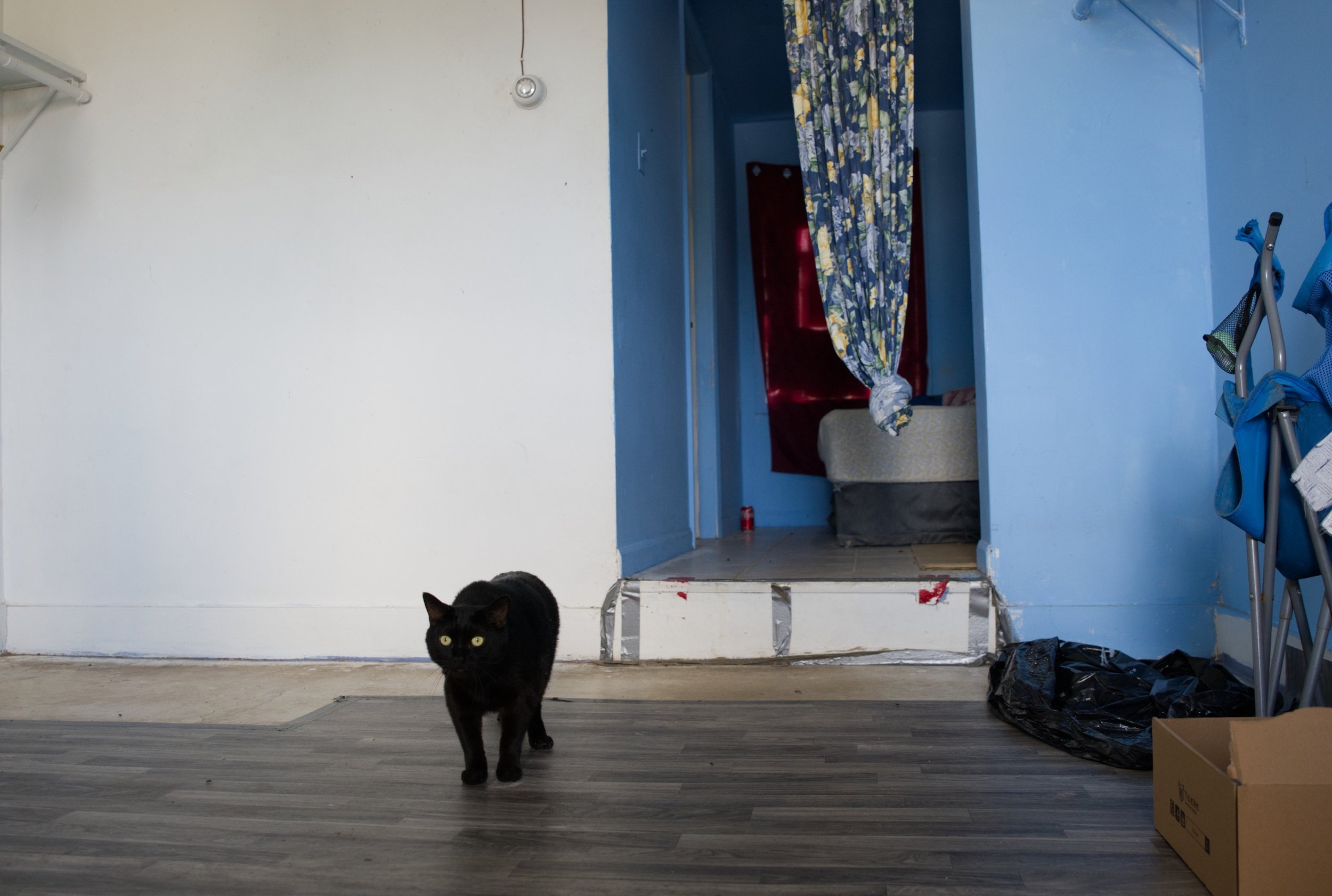
When Cicero Independiente spoke with Leti in early August, her teenage son and her packed their life belongings into a small red sedan. She found a temporary place nearby with another family that would allow her to bring her six cats with her.
(Click Image for bigger view)
Left image: On August 20, 2026, Leti, a resident of the backstretch for over 20 years, meticulously packed all her belongings in her small, red sedan. Efrain Soriano/ Cicero Independinete
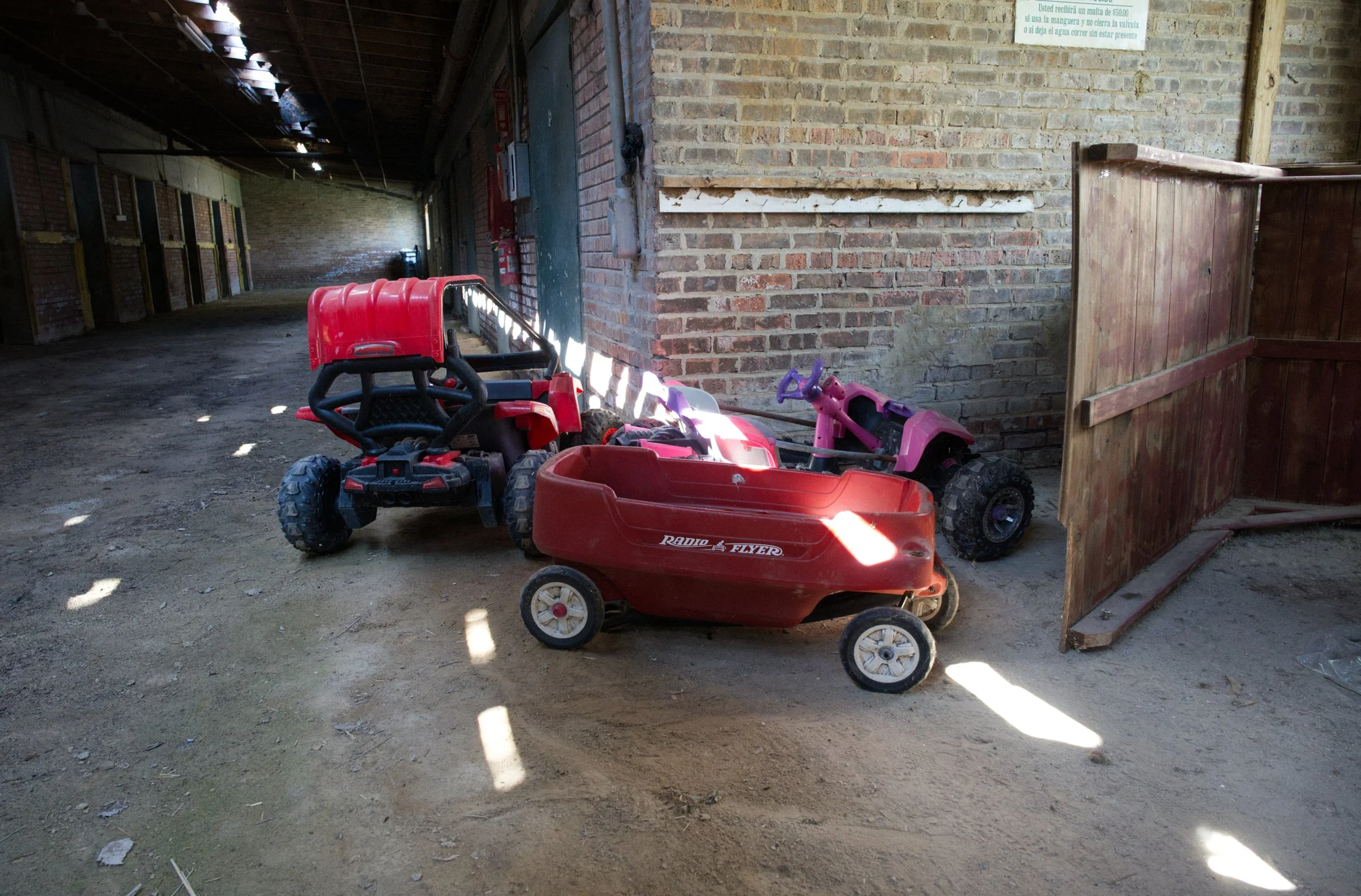
Right Image: One of Leti's six cats cautiously approaches the door of her 12x18 ft living quarters in Cicero, Ill., on August 20, 2026. Efrain Soriano/ Cicero Independinete
In August, Cicero Independiente reporters were granted more access to Hawthorne and the backstretch than ever before. Each visit, as we made our way down the dirt roads that run between the stables, less and less people were around, but signs of life and community were everywhere.
(Click Image for bigger view)
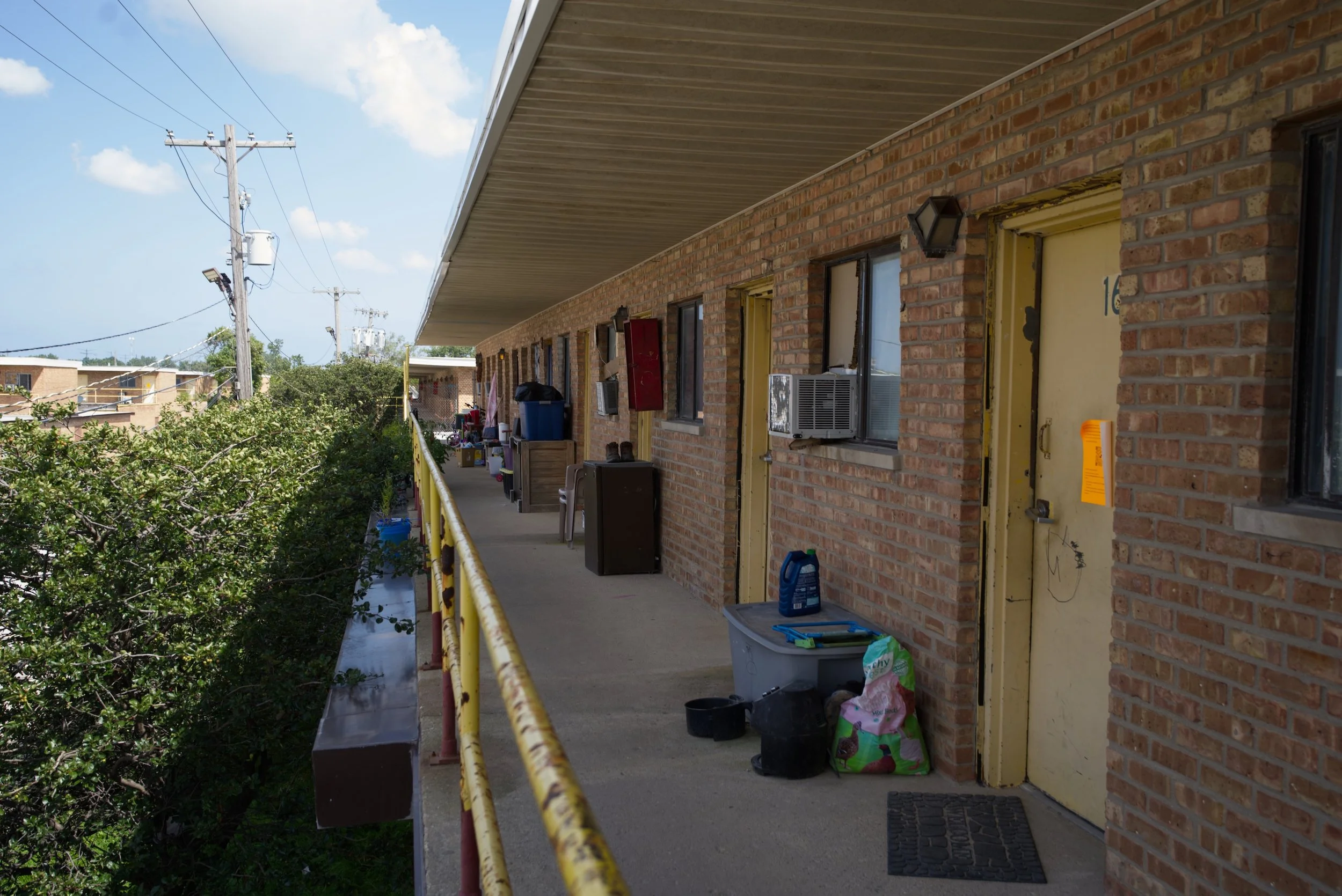
Left Image: A stretch of living quarters with belongings stacked up outside as residents prepare to move out from the Hawthorne race course in Stickney, Ill., near Cicero, on August 20, 2026. Many of the living quarters at Hawthorne were built on top of stables, garages and other areas of work. Efrain Soriano/ Cicero Independiente
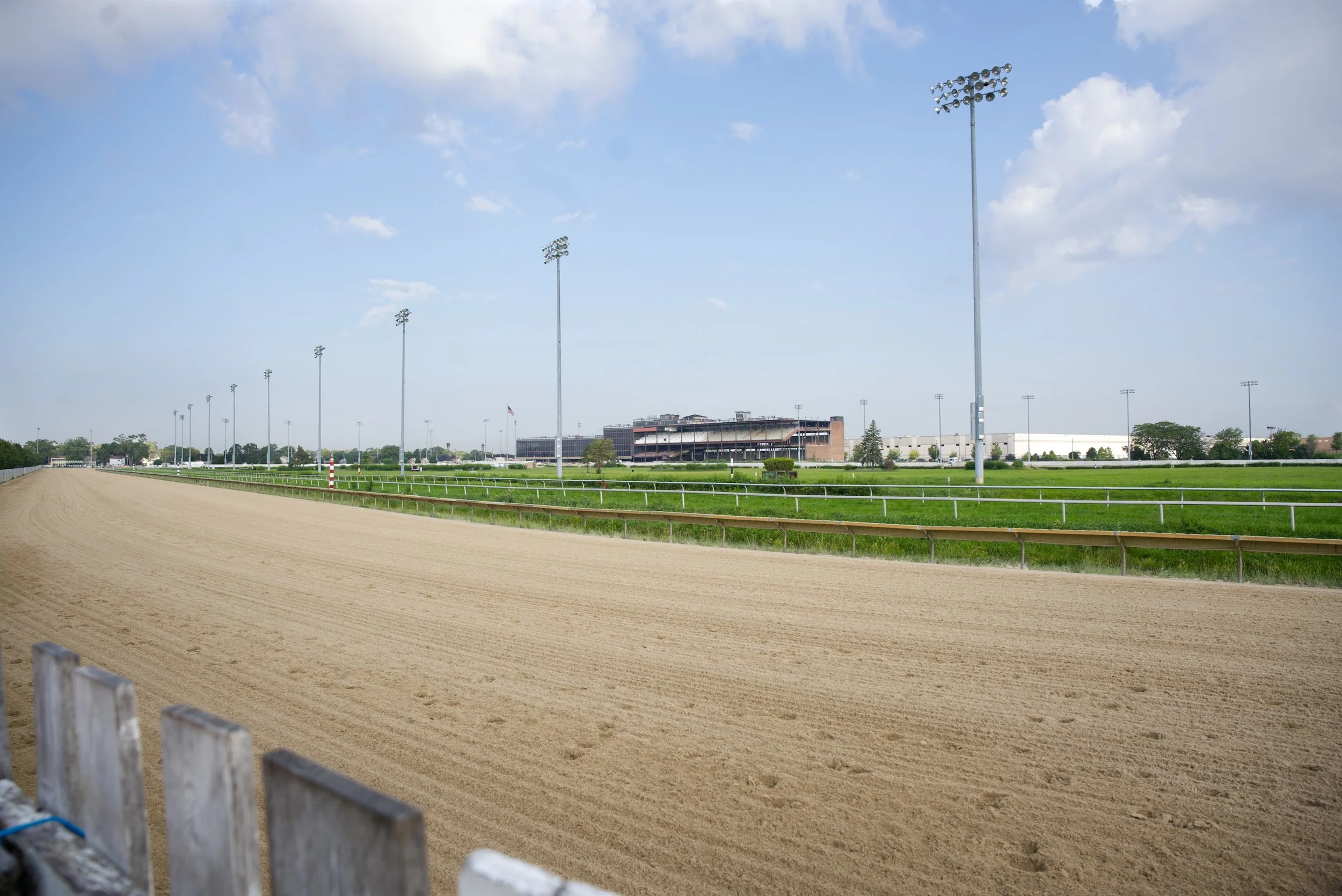
Center Image: View of The Hawthorne Race Course on August 28, 2026, only 3 days before officially closing its doors in Stickney, Ill., near Cicero. Efrain Soriano/ Cicero Independiente
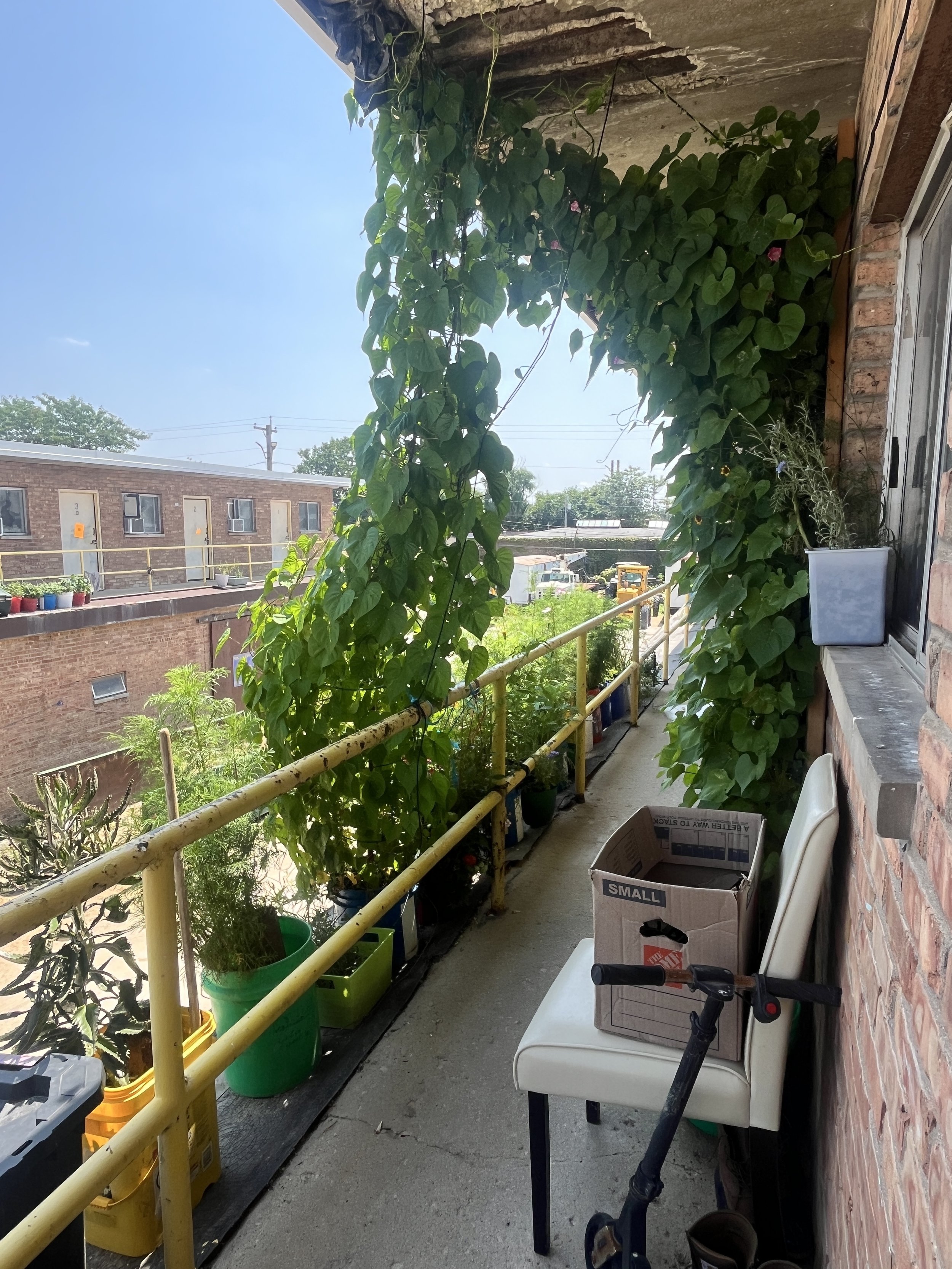
Right Image: On August 7, 2026, 24 days before the official closure, a canopy of overgrown vines adorning the walkway of one of the many living quarters at Hawthorne race course in Stickney, Ill., near Cicero. Irene Romulo/ Cicero Independiente.
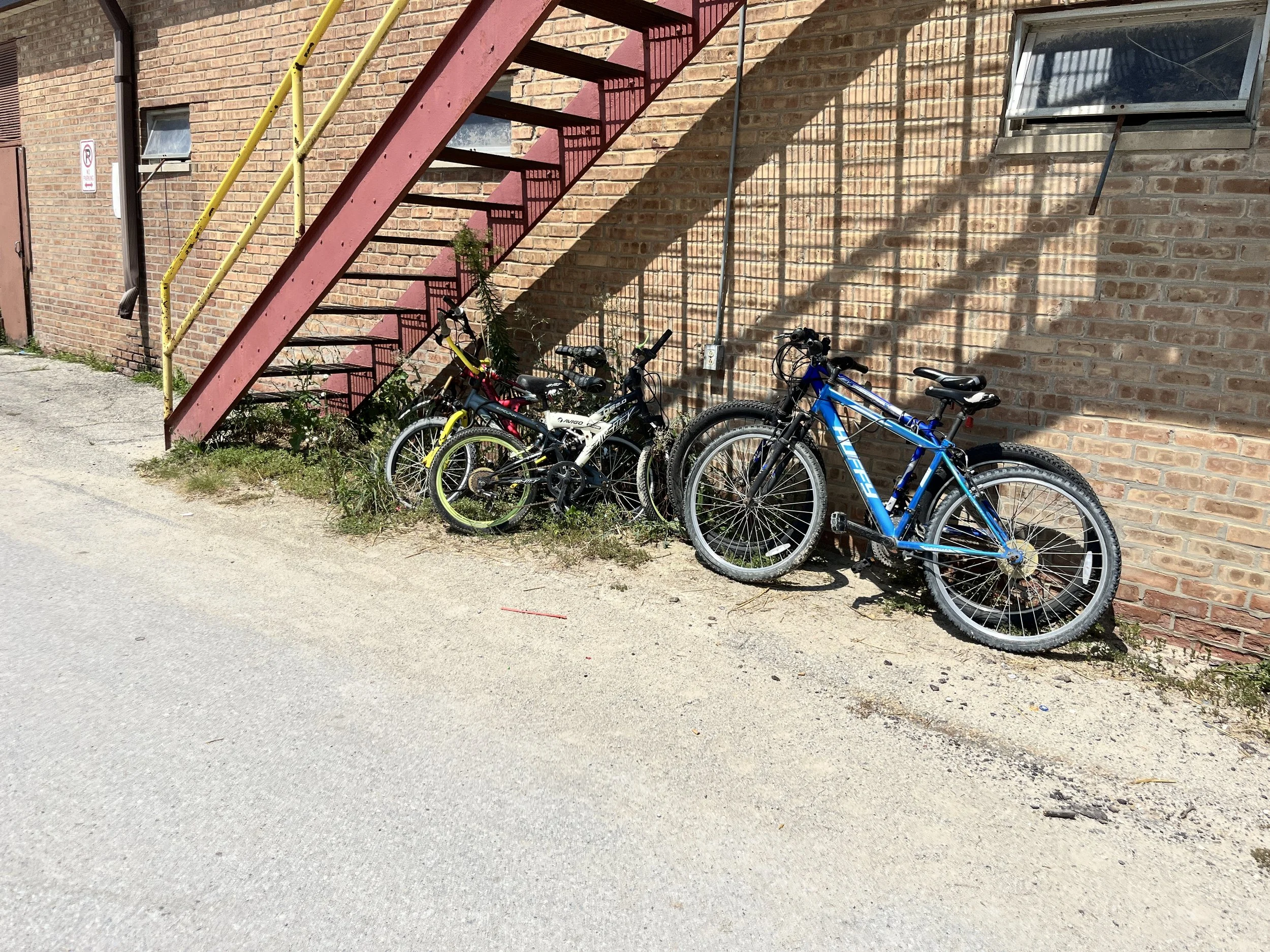
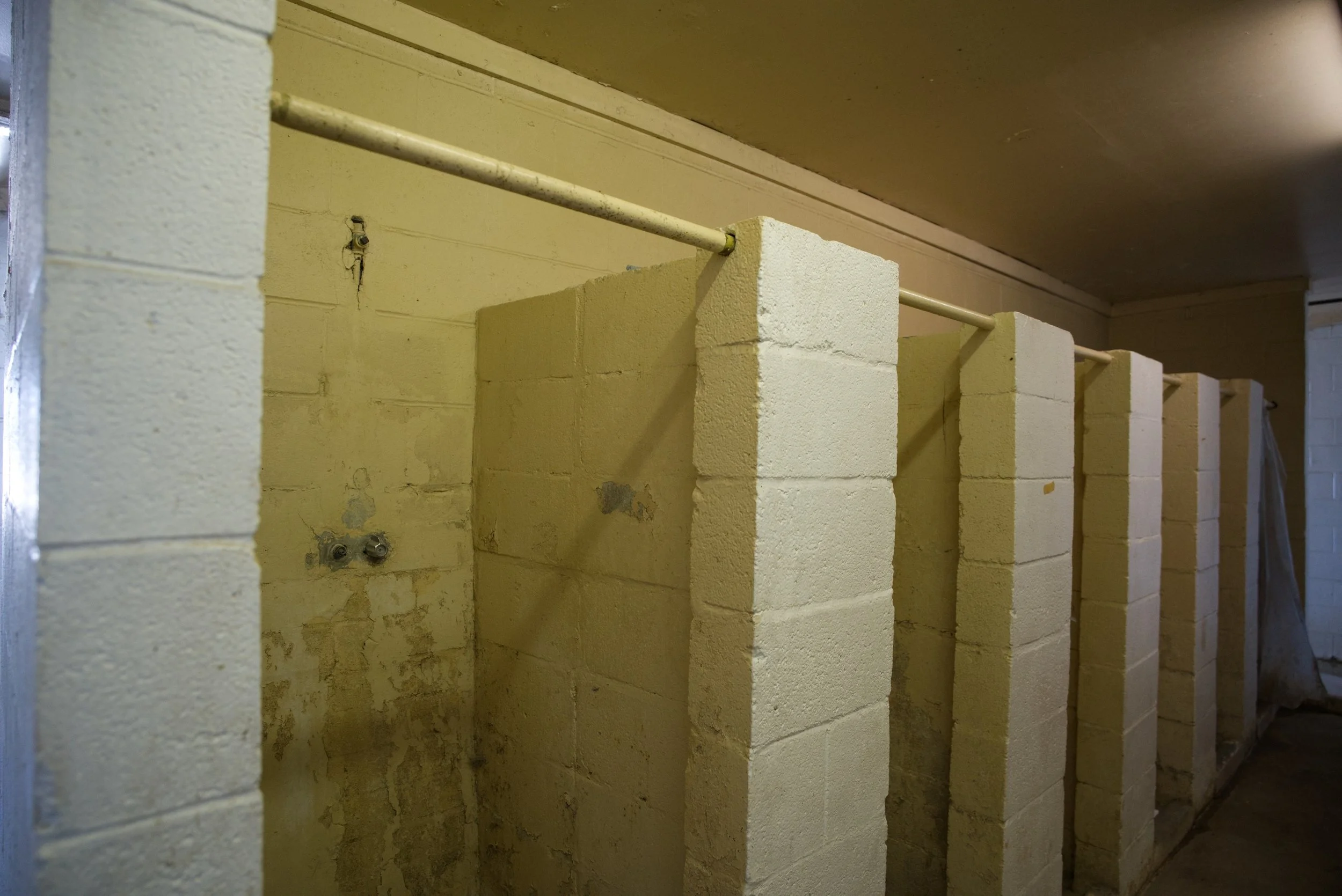
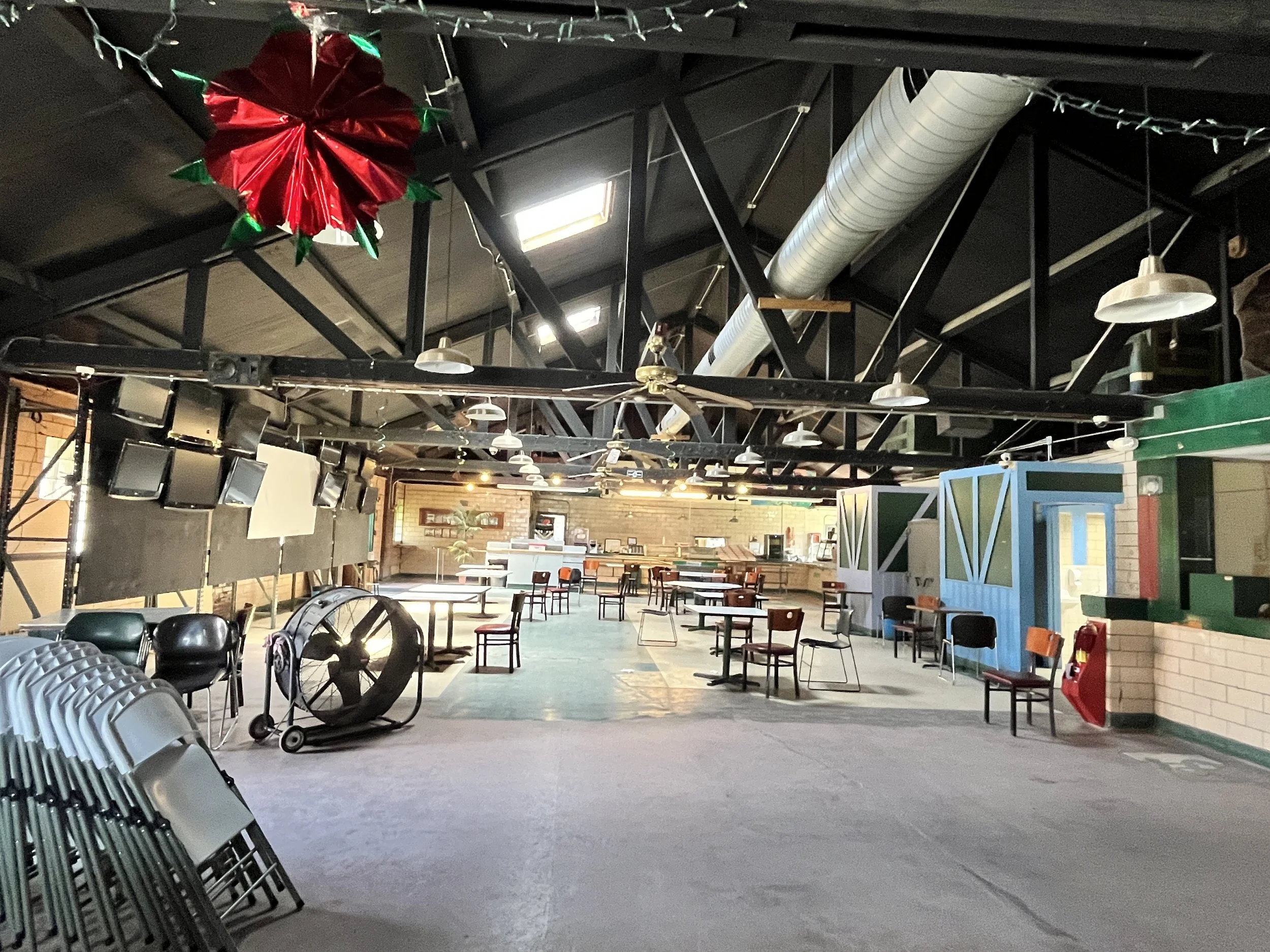
Children and adult bikes leaned against walls underneath rusting stairways that led from the ground floor to the 12-by-18 foot living quarters on top of the horse stables. In these small rooms lived entire families, cooking on hot plates and gas grills set up outside and sharing communal bathrooms.
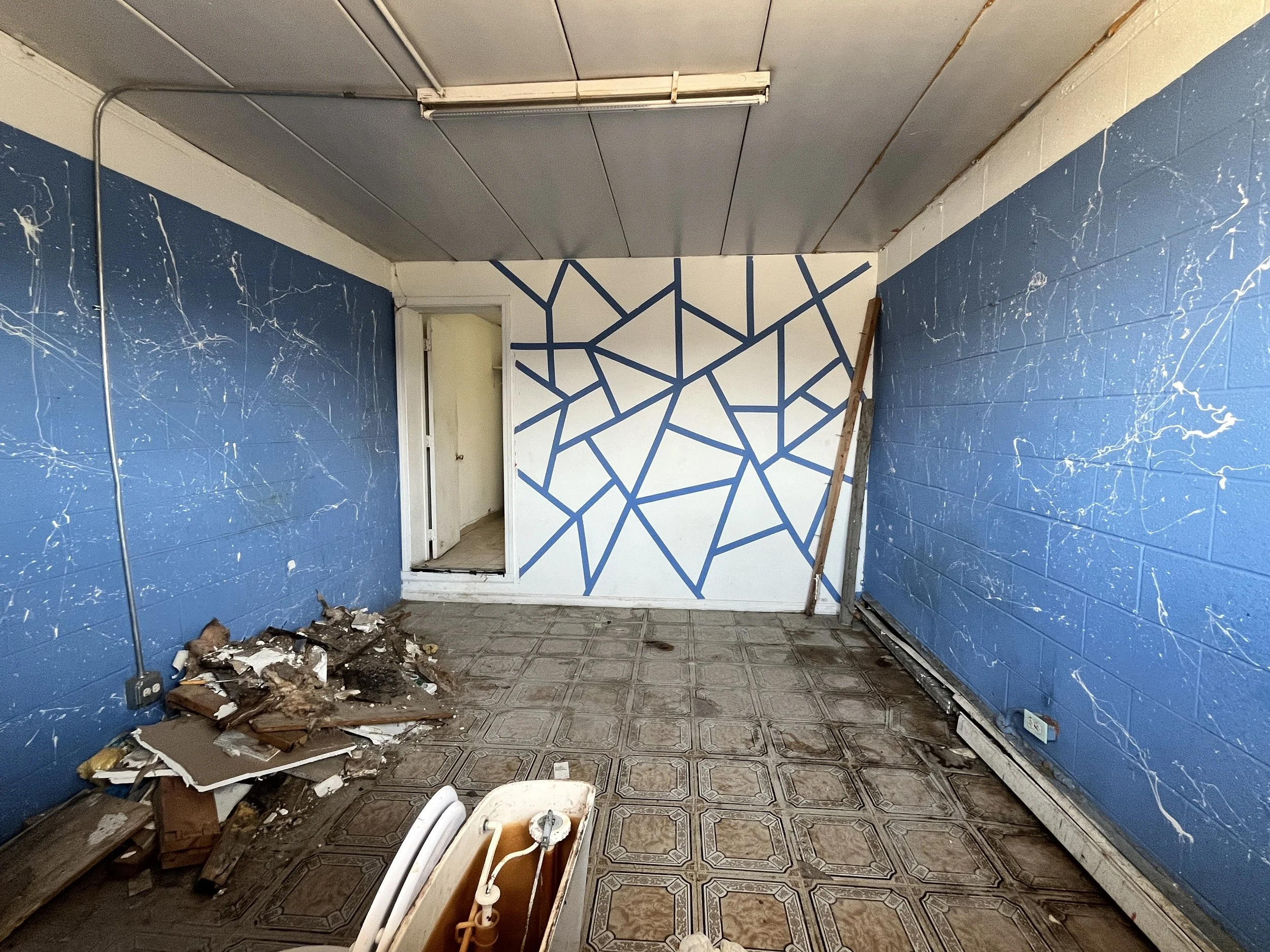
They made the space their own. Through broken windows, we could see intricate and colorful paint jobs. Assortments of chiles, papalos, llerva buena, sábila, cempasuchil, romero, jitomates and even corn were planted in buckets and pots in the three foot wide cement walkways that connected each of the living quarters.
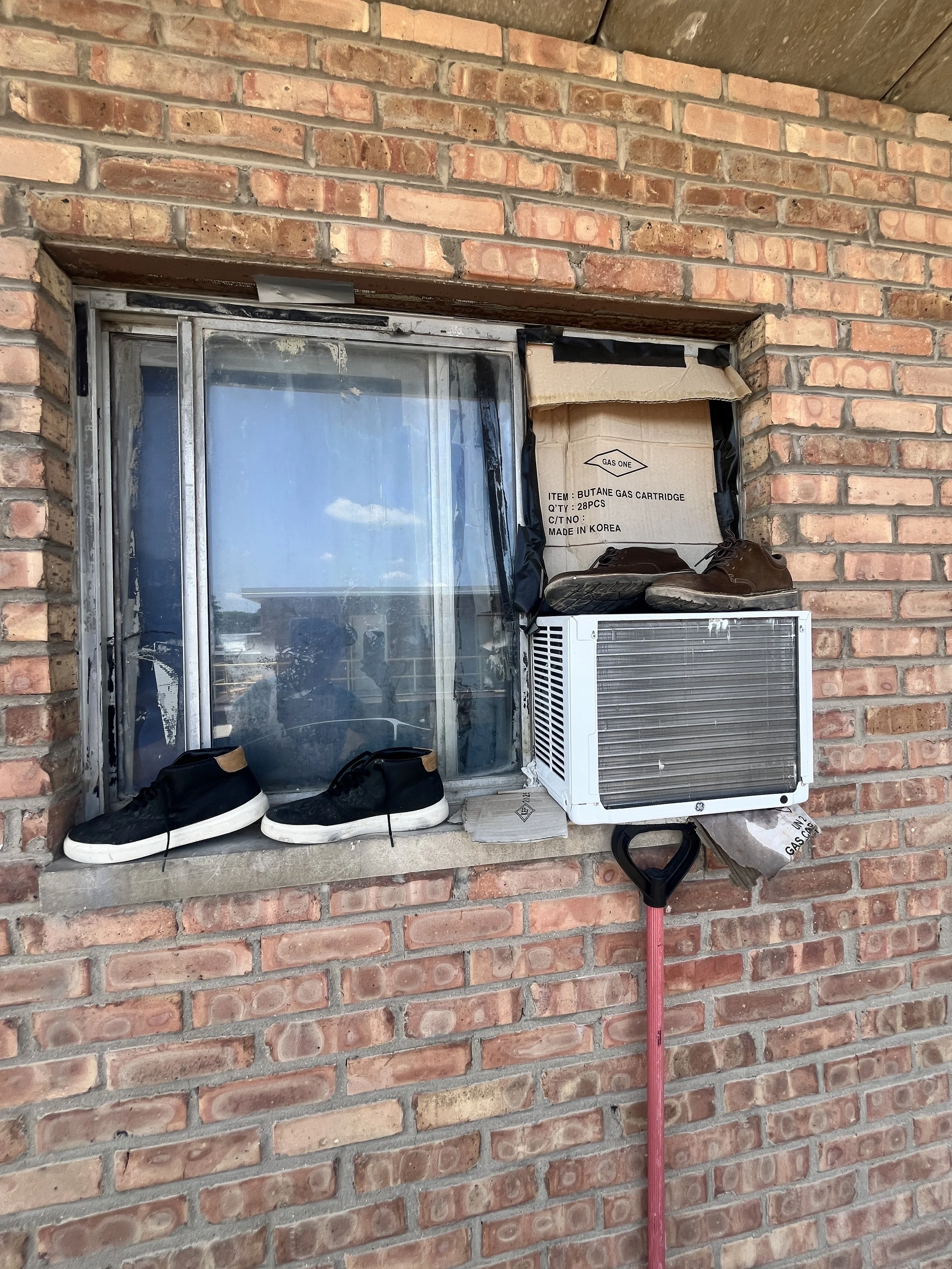
Children and women's shoes were lined up outside doors next to a father's muddy boots.
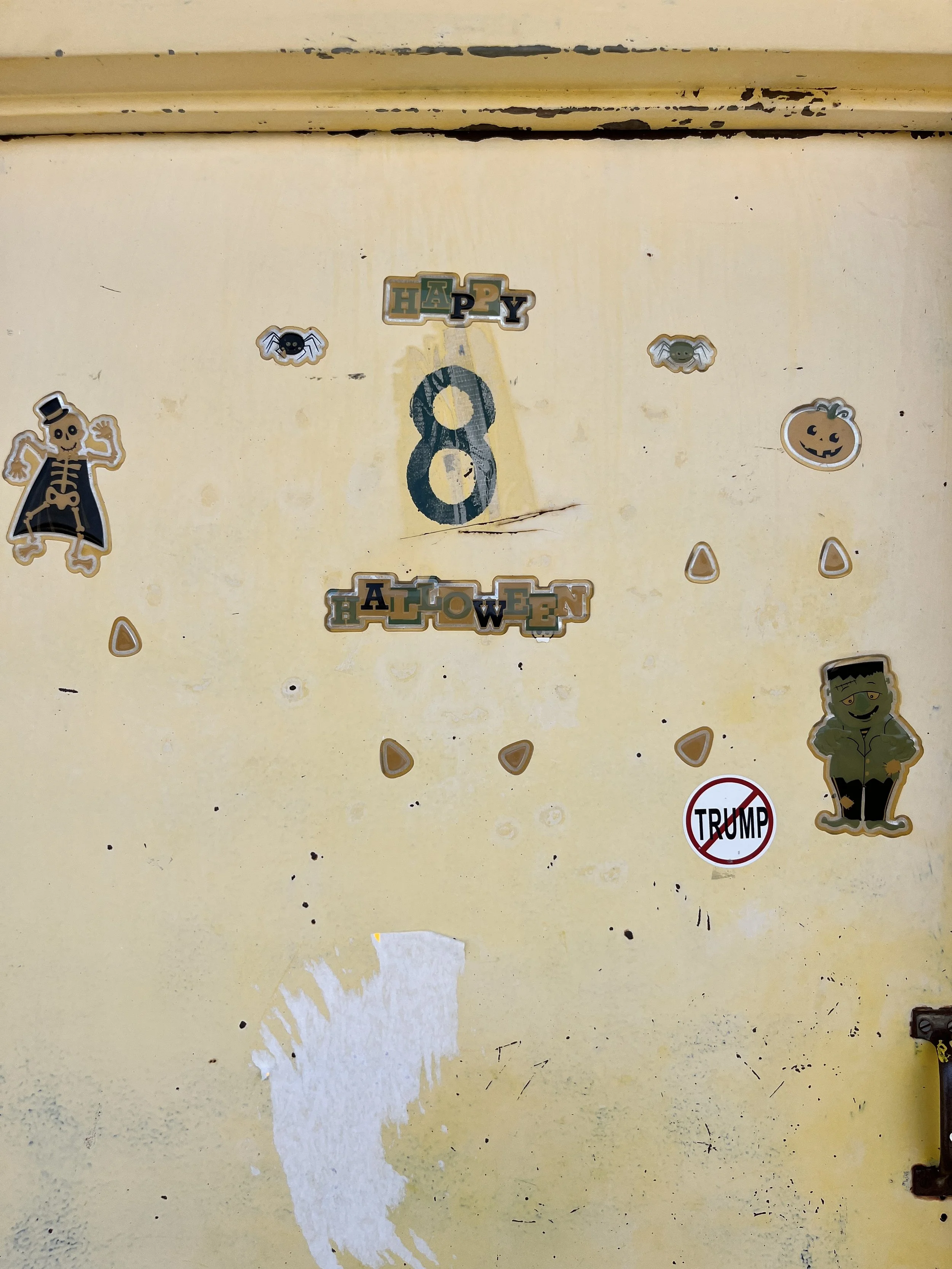
Faded Halloween and anti-Trump stickers decorated doors and vining flowers, carefully arranged along rusting and exposed ceiling rebar, showed these were peoples’ home.
In a bid to sell the track and get funds to pay the race track’s debts—it was the backstretch residents and workers who were dealt the hardest blows.
When the sale was approved on Aug. 10, residents of the backstretch were given till the end of the month to pack up their entire lives and, with little or no savings, find jobs and housing elsewhere.
On Aug. 14, the Hawthorne owners filed a motion to force everyone out by Aug. 28 or face marshals who would force evictions. The judge denied the request but the daily counts, described by a resident as stressful, continued.
Many of the residents of the backstretch were undocumented, with no rental or credit history and little savings, making it hard to qualify for available apartments in the surrounding areas. Cumbersome apartment applications became even more difficult to fill out when eight residents’ drivers licenses were suddenly cancelled by the Illinois Secretary of State “due to their leases containing fraudulent information that was not the fault of the applicants.”
On Aug. 17, Cicero Independiente reached out to the Secretary of State’s office regarding this latest challenge. In an emailed statement, they responded that they were working on a solution with the Illinois Thoroughbred Horsemen’s Association to get the licenses reinstated and minimize delays. Reinstating a license, however, required a valid passport and Illinois address.
On their last day on the track, a mix of workers who lived on and off site, shared coffee and pan inside the stables as they cared for the last remaining horses. They sat on overturned buckets, occasionally swatting at the flies buzzing near their feet and faces, cracking jokes and at times, each in their own contemplative silence.
Many of them arrived in the U.S. as teenagers and had only ever worked with horses.
“I’ve always been a ranch person; I grew up with horses and cows,” said Gael as he caressed one of the horses he cared for.
Salazar, another worker who had been at the racetrack since 1987, said he was lucky because he secured a position in Kentucky, but he knew it wouldn't be easy since both his family and home were in Cicero.
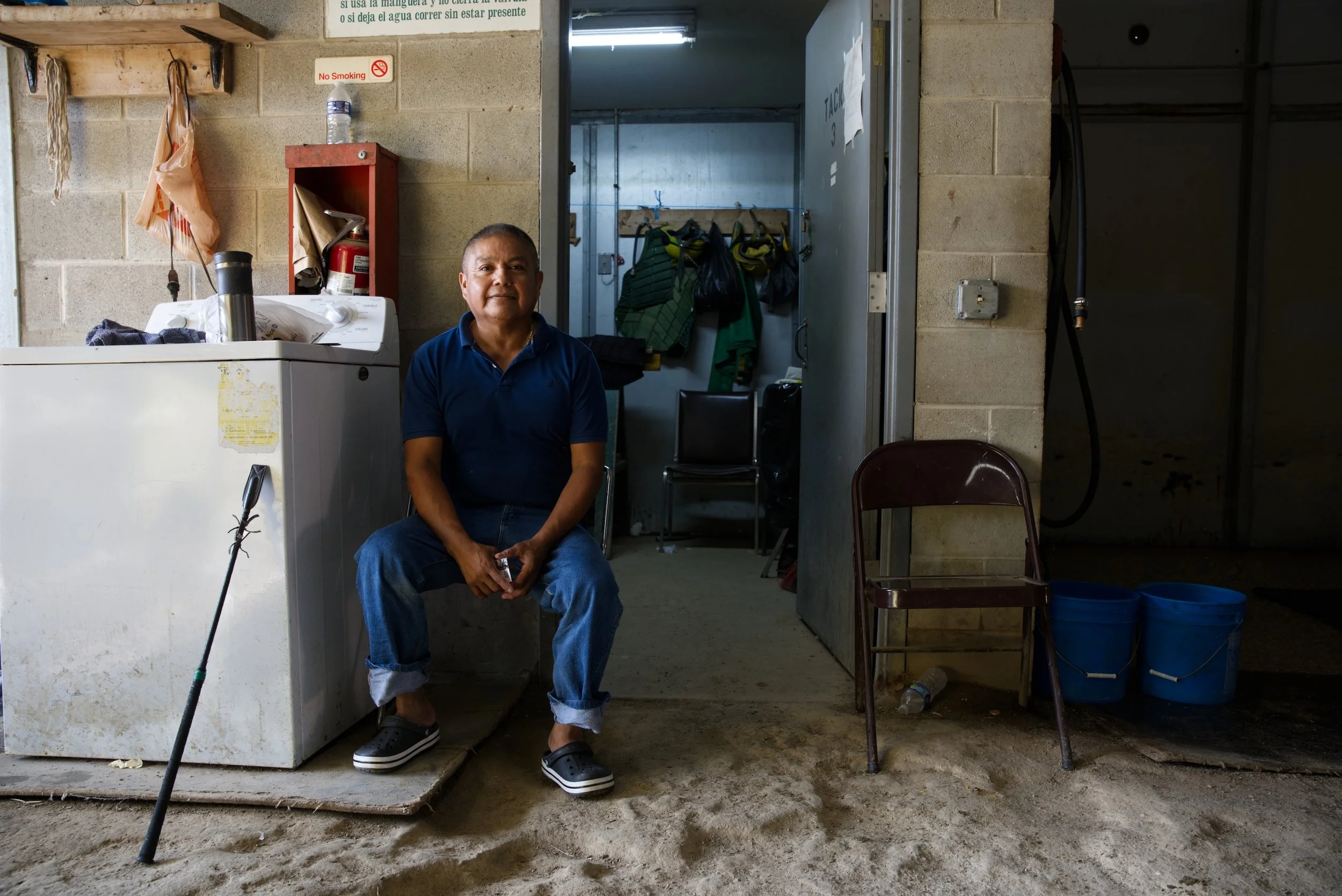
Salazar rests on a chair in the stables on his final day of work at the Hawthorne race course in Stickney, Ill., near Cicero on August 28, 2026. He got his first ever job thanks to the Hawthorne Race Course and had worked there since 1987. Efrain Soriano/Cicero Independiente
“Horseback riding is my passion, my hobby, and I’ll also miss the people; we’re practically like a family, whom we may never see again,” he said. “I feel a sense of nostalgia and helplessness; we just can’t believe how this has come to an end. I feel like something should have been done to save it.”
He worried about the people who hadn’t found a job or a place to live yet and said the evictions were unjust. He questioned why the owners didn’t do more to save the place.
Ricardo, the last one to ride on the track on the Friday before Aug. 31, took his final gallop around the mile-long, sandy track.
“When I’m riding, I feel completely at ease. Just now, when I left the track, I thought, ‘I won’t be able to get back on the track anymore,’” he said. “And, well, it’s very sad, even if you don’t show it. It feels really strange. I see my boss, and he’s on the verge of tears. I feel the same way, but, well… it’s over. What can you do?”
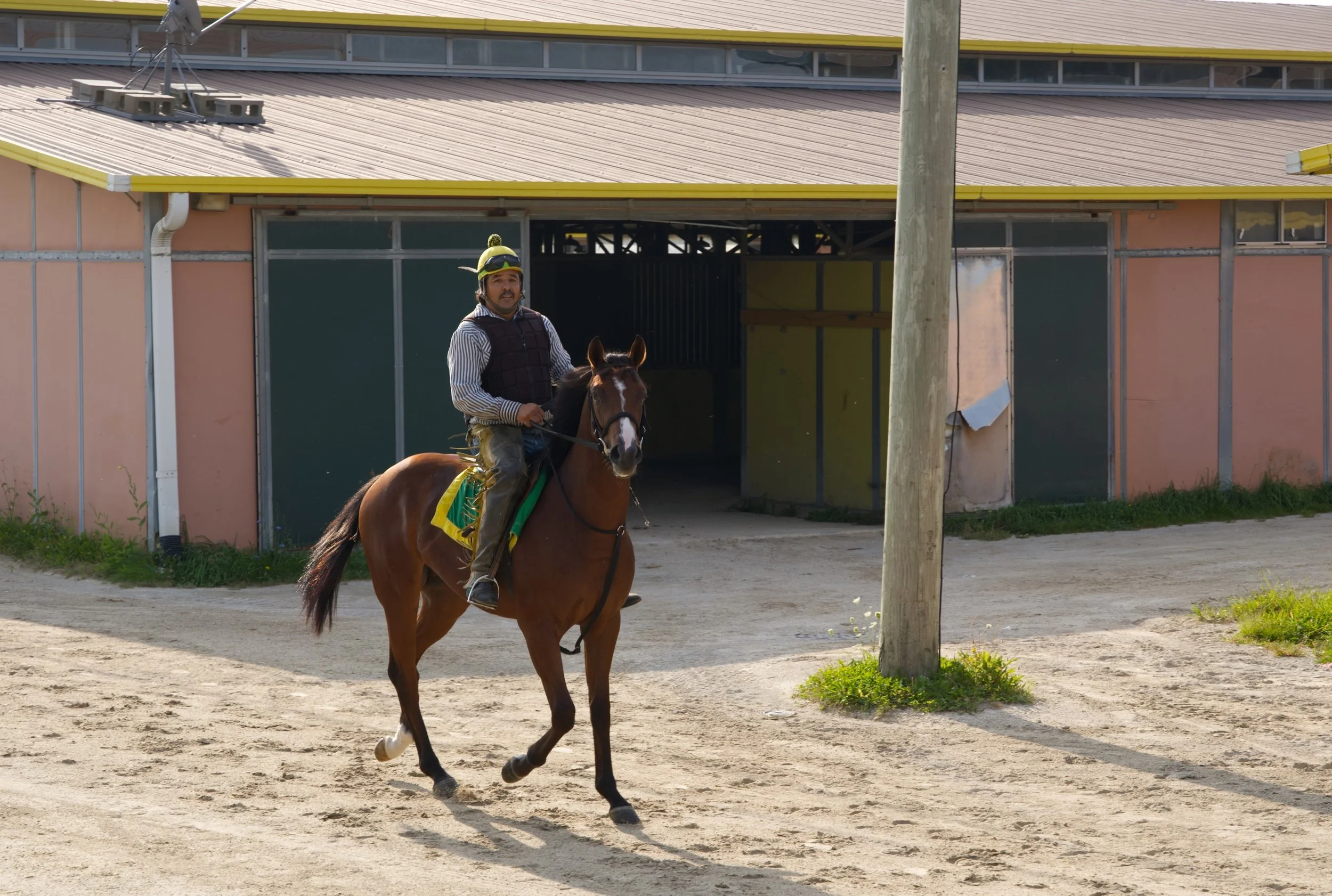
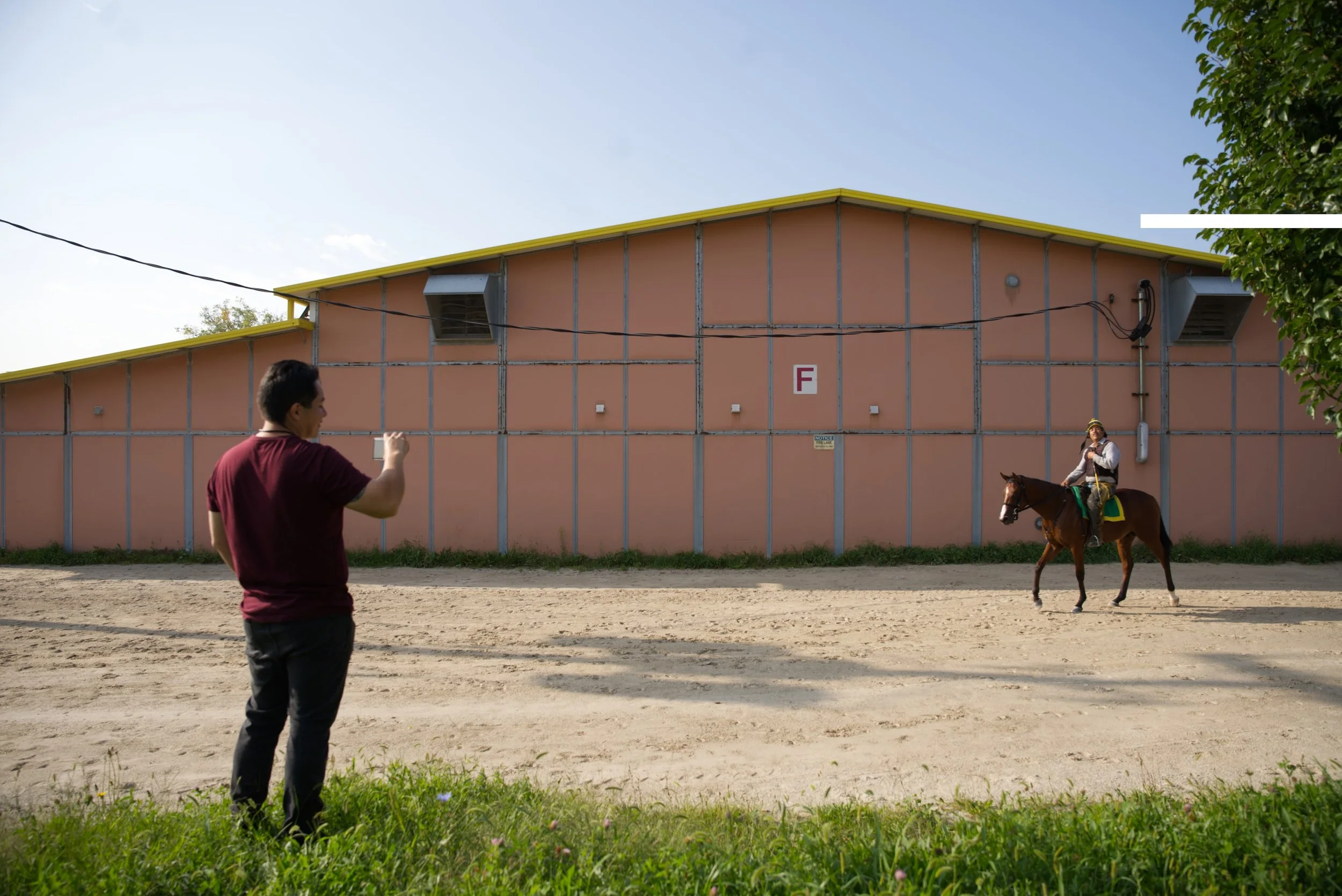
Ricardo had worked with the same horse owner at Hawthorne since 1988, and like Salazar, had experience with animals since his youth. He couldn’t afford to retire and planned to follow the horses to Kentucky, leaving his family behind in Illinois.
“I’ve worked with animals my whole life, so it’s tough to look for a job elsewhere. It feels impossible,” he said.
Life wasn’t easy on the backstretch. An onsite social worker said women were often hesitant to report domestic violence to the outside world for fear of losing their immigration status or being reported to authorities. Low pay, crammed living quarters, smells from the water reclamation plant and hazardous working conditions were just some of the issues families faced. At a Stickney Board Meeting on Sept. 1, the village attorney said the buildings in the backstretch had been in such bad condition that the new owners chose to demolish them rather than bring it up to code.
And yet, leaving was not in all their plans. A representative of the workers confirmed everyone was out by the deadline because they had to be, not because they wanted to leave.
Representatives from the Illinois Thoroughbred Horsemen’s Association (ITHA) reached out to area nonprofits for support. Nonprofit organizations and volunteers helped a few of the residents find housing, emergency funds, furniture and other social services. Local elected officials sent representatives to make referrals.
Some residents planned to go to other states, like Salazar and Ricardo, leaving their families behind so that their children can stay in the district and receive necessary services. Others crammed into small apartments with families nearby. And there are many whose future is still uncertain, especially the elders in the community.
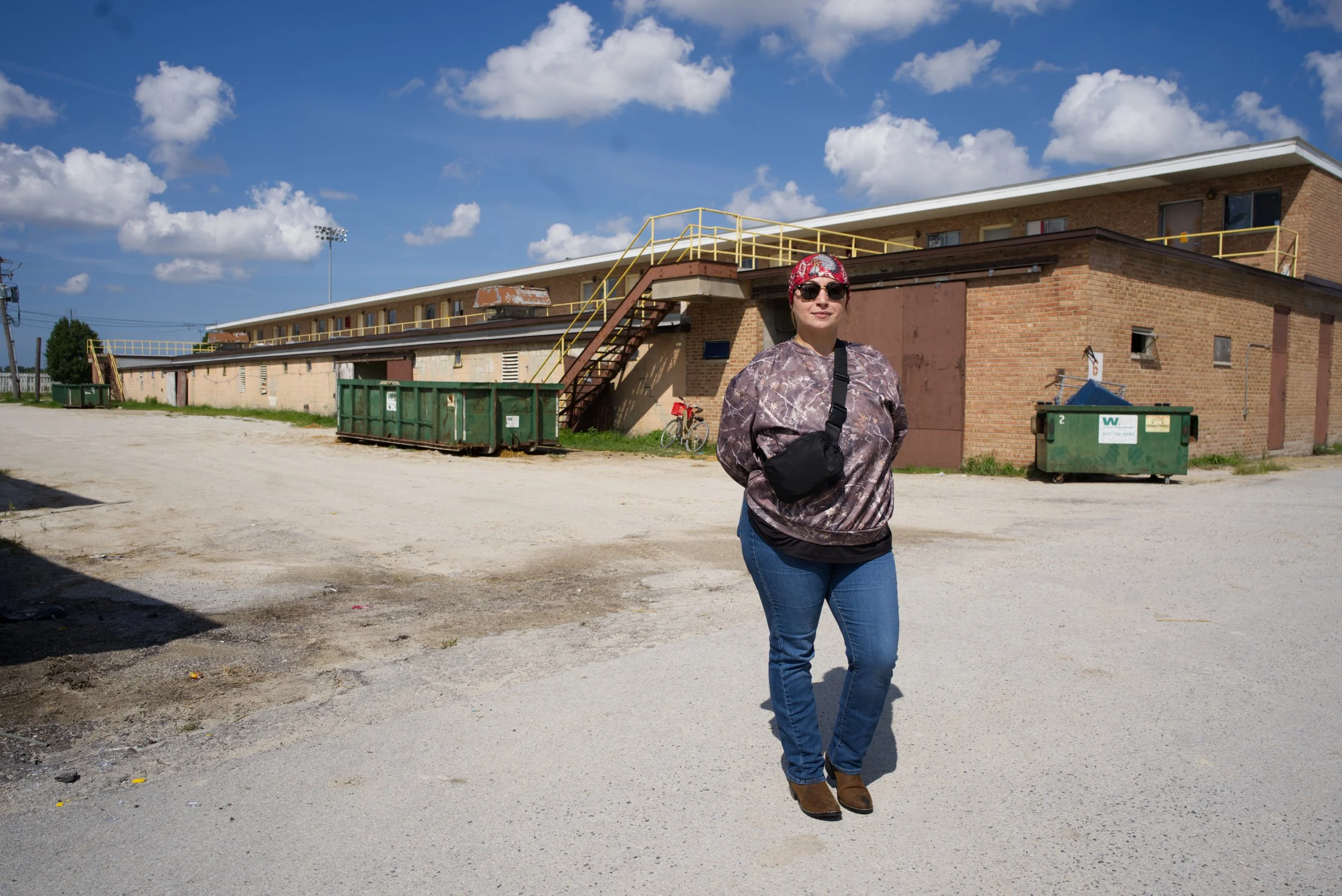
A social worker who works directly with families of the backstretch, outside the living quarters in Stickney, Ill., near Cicero on August 20, 2026. Efrain Soriano/ Cicero Independiente
A social worker, who met with backstretch moms for nine years, said that the workers deserved more recognition and dignity for their labor. This is the work that they know, she said, and they love animals. She questioned what made this profession so different from others, like being a barista.
She mourned the loss of the community that she was also a part of, with the backstretch moms helping her in times of her own need.
“You will never know unless you’re here how hard they worked to make it a home,” she said. “Some might stay in touch for a little bit, but for the ones that have separated and gone to different states, it's like any friendship where separation brings about silence, but they're resilient. They're really, really resilient.”
Cicero Independiente was on site the morning of August 31, 2026. According to ITHA representatives, everyone, besides three horses, had moved before the deadline. We saw private security guards arrive on site with visible zip-tie handcuffs. In Cook County, only the sheriff’s office can carry out court-ordered evictions of tenants.
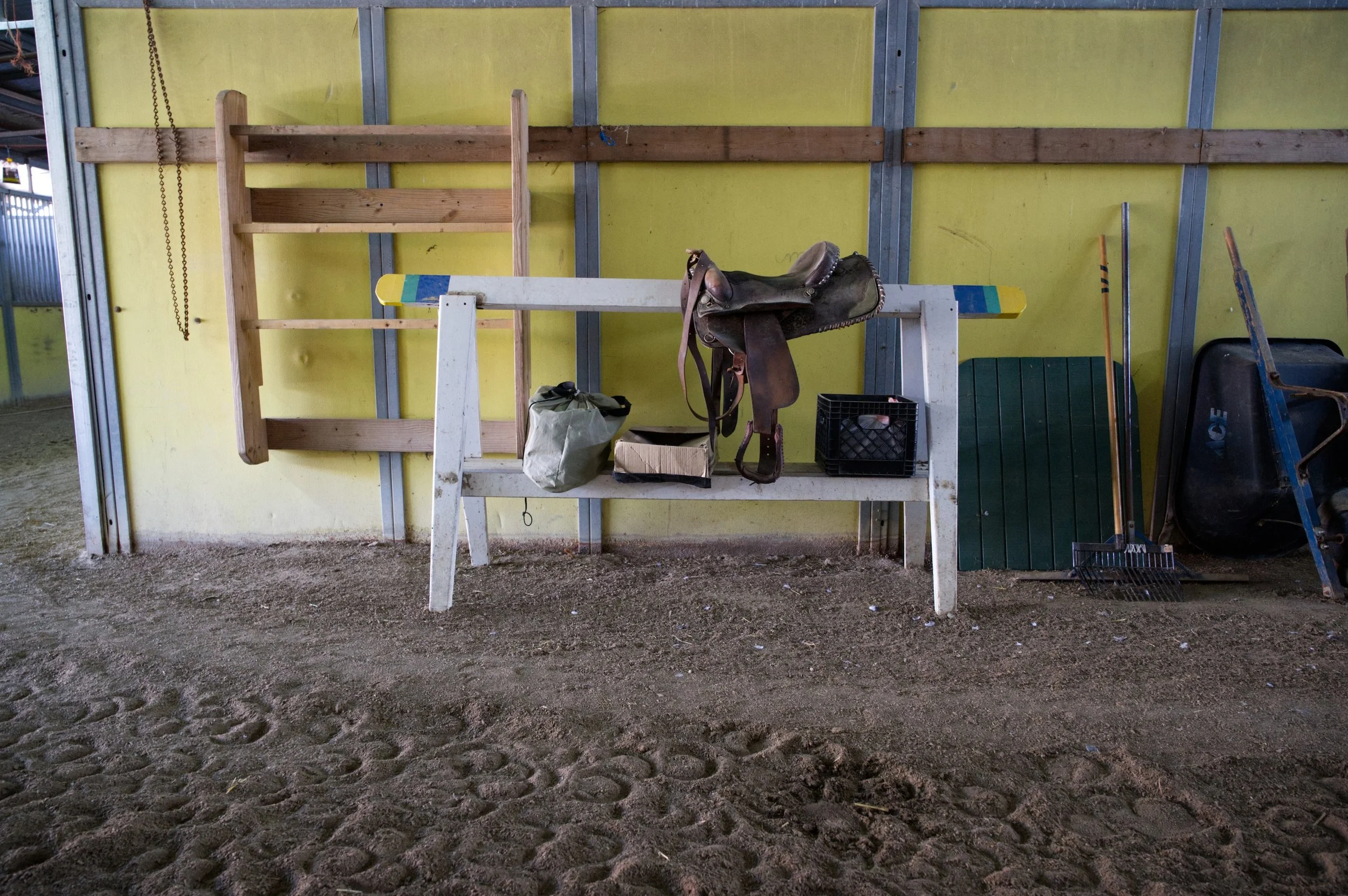
A single saddle and packed up tools sit in this mostly empty stable on the final day of work at the Hawthorne race course in Stickney, Ill., near Cicero, on August 28, 2026. In the next three days, the doors to the race course would permanently close for the residents, horses and workers that called this place home throughout its 135 year history. Efrain Soriano/ Cicero Independiente
Irene Romulo is a Cicero resident and Cicero Independiente’s Development and Community Engagement Director.


Want to read more stories like this? Consider donating to support our work. Your money goes directly towards paying journalists of color to report on local news.